Protein Powder for Lactose Intolerance (2026 Guide)
Protein powder is one of the most convenient ways to increase daily protein intake for muscle growth and recovery.
However, people with lactose intolerance often experience digestive issues when consuming traditional whey protein.
Common symptoms include:
- bloating
- stomach discomfort
- gas
- digestive irritation
Fortunately, many protein powders are designed to be low-lactose or completely lactose-free.
These protein powders are commonly made from:
- whey isolate
- hydrolyzed whey
- plant-based protein sources
When chosen correctly, lactose-friendly protein powders can help:
✔ support muscle growth
✔ improve workout recovery
✔ increase daily protein intake
✔ reduce digestive discomfort
This guide explains which protein powders are best for lactose intolerance and how to choose the right option.
Written by The Fit Supply Team — supplement reviewers analyzing protein powders, creatine supplements, and sports nutrition strategies.
Best Protein Powders for Lactose Intolerance
Dymatize ISO100 Whey Isolate
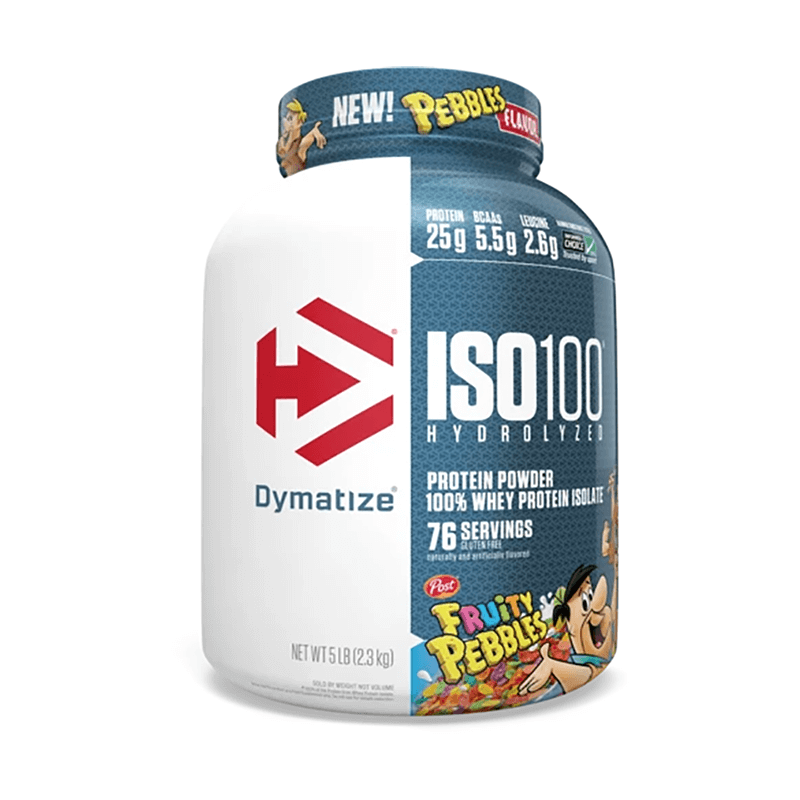
Dymatize ISO100 Whey Isolate
Best for: Fast digestion, post-workout recovery, lean muscle, and mild lactose intolerance
Why it ranks: Dymatize ISO100 ranks as one of the best protein powders for lactose intolerance because it uses hydrolyzed whey isolate, which is filtered and processed for easier digestion. It is a strong choice for athletes who want a fast-absorbing protein powder after workouts without the heavier feel of regular whey concentrate.
This is best for people who still want whey protein but need something lower in lactose and easier on the stomach. It works well for muscle recovery, daily protein intake, and lean muscle support.
Pros:
✔ Hydrolyzed whey isolate
✔ Very low lactose
✔ Fast digestion
✔ Good for post-workout recovery
✔ High-quality protein source
Cons:
❌ More expensive than basic whey
❌ May still bother people with severe dairy sensitivity
❌ Some flavours may taste sweet
Isopure Zero Carb Whey Isolate
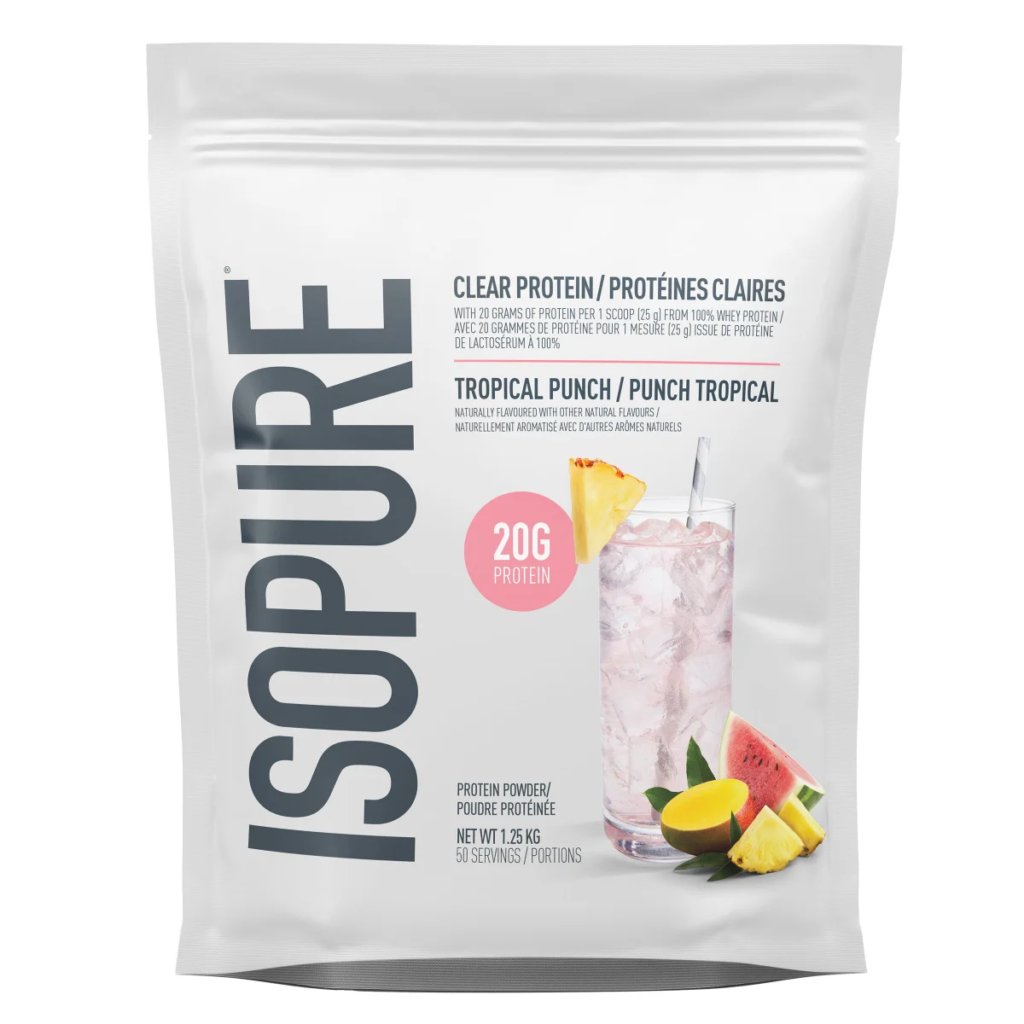
Isopure Zero Carb Whey Isolate
Best for: Lactose-free whey protein, low-carb diets, sensitive digestion, and lean protein intake
Why it ranks: Isopure Zero Carb ranks as one of the best lactose-free whey isolate options because it gives you a high-protein formula without extra carbs or lactose. It is a good choice for people who want the benefits of whey protein but need a cleaner formula that is easier to digest.
This product is especially useful for people cutting, tracking calories, or trying to increase protein without adding much sugar or carbs. It is also a strong choice if regular whey protein makes you feel bloated.
Pros:
✔ Lactose-free formula
✔ 25 g protein per serving
✔ Zero-carb option
✔ Good for cutting or lean diets
✔ Easier digestion than whey concentrate
Cons:
❌ Can be more expensive
❌ Texture may feel lighter or thinner than regular whey
❌ Not suitable for people avoiding all dairy proteins

- 20g Whey Protein Isolate Per Serving: Features 20 grams of ultra-filtered whey protein isolate in every scoop, offering …
- Clear, Light & Fruit-Flavoured Protein Drink: Mixes clear in water and delivers a crisp, refreshing taste with naturally…
- Low Carb, No Added Sugar, Zero Fat: Crafted to support low-carb preferences, each serving contains minimal carbs, zero f…
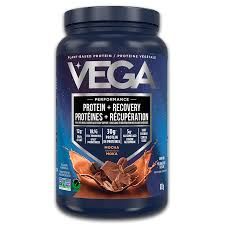
Vega Sport Premium Plant Protein
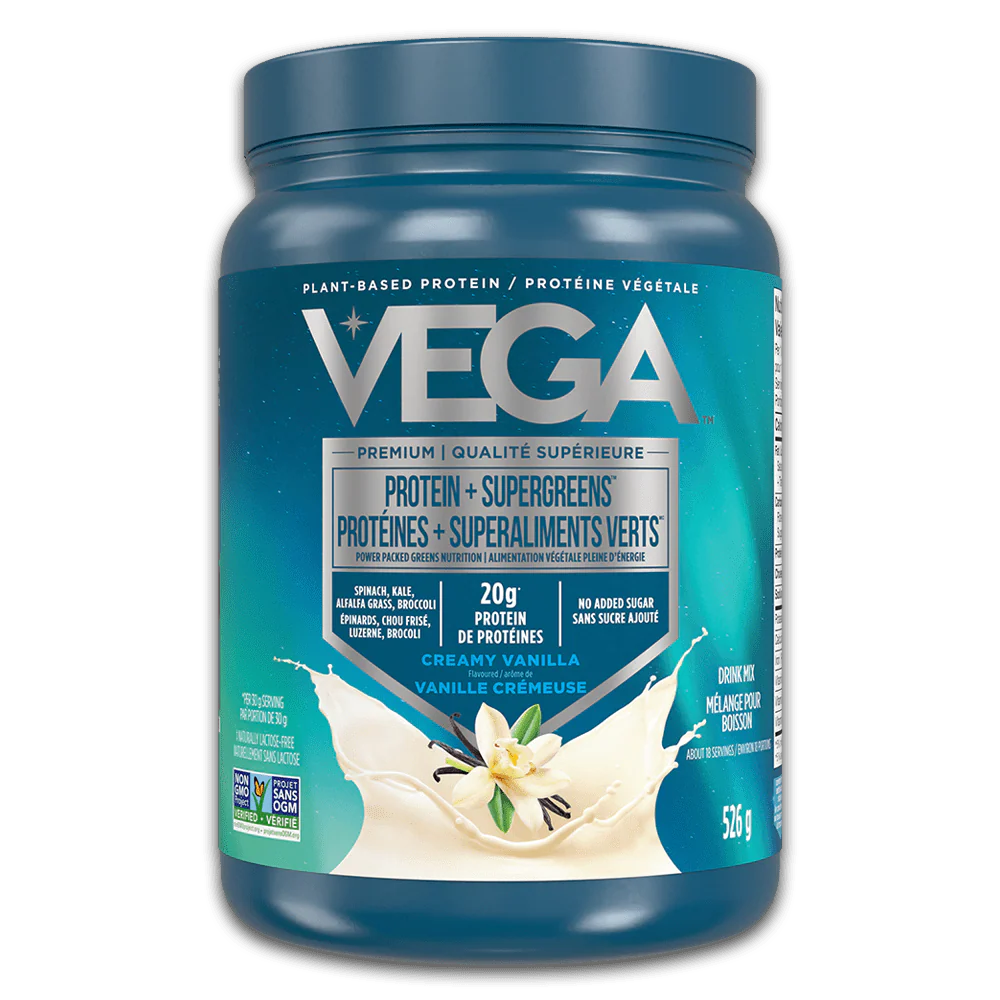
Vega Sport Premium Plant Protein
Best for: Dairy-free diets, vegan users, severe lactose intolerance, and plant-based protein intake
Why it ranks: Vega Sport Premium Plant Protein ranks as the best dairy-free option because it contains no lactose and does not rely on whey protein. It is made from plant-based protein sources, making it a better fit for people who cannot tolerate dairy at all.
This is a strong option if whey isolate still causes stomach problems or if you prefer a vegan protein powder. Plant-based protein can support muscle recovery and daily protein intake, especially when used consistently with a good diet.
Pros:
✔ Completely dairy-free
✔ No lactose
✔ Vegan-friendly
✔ Good for severe lactose intolerance
✔ Useful for daily protein intake
Cons:
❌ May taste earthier than whey
❌ Texture can be thicker or grainier
❌ Some users may prefer whey for taste and mixability

- PACKAGING MAY VARY: You may receive our fresh new label, but it’s still the great taste you love
- PROTEIN AND GREENS adds effortless nutrition to your every day, sweetened with stevia—no added sugar, and 120 calories p…
- 20G PEA PROTEIN: Made with 20 grams of plant-based protein and real green vegetable ingredients including organic spinac…
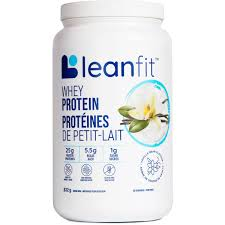
LeanFit Whey Protein Isolate
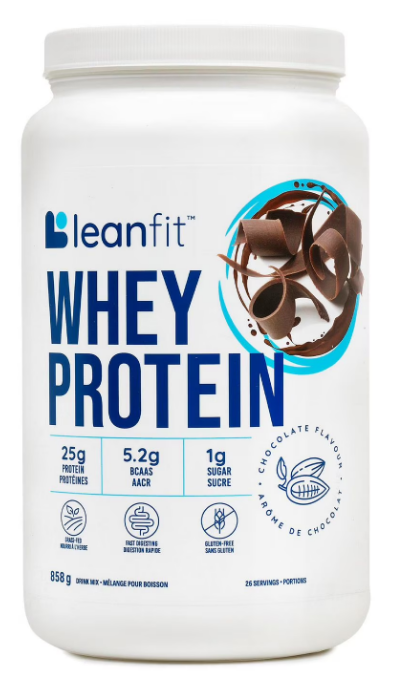
LeanFit Whey Protein Isolate
Best for: Everyday protein intake, Canadian buyers, budget-friendly whey isolate, and mild lactose intolerance
Why it ranks: LeanFit Whey Protein Isolate ranks as a strong everyday option because it gives you a high-protein whey isolate formula at a more accessible price. It is a good choice for people who want a simple protein powder for daily shakes, smoothies, or post-workout recovery.
Because it is whey isolate, it is usually easier to digest than regular whey concentrate. It may work well for people with mild lactose intolerance who still want a whey-based protein powder.
Pros:
✔ High protein content
✔ Whey isolate formula
✔ Good for daily use
✔ Usually easier to digest than whey concentrate
✔ Good option for Canadian buyers
Cons:
❌ Not fully dairy-free
❌ May not work for severe lactose intolerance
❌ Formula is more basic than premium isolates
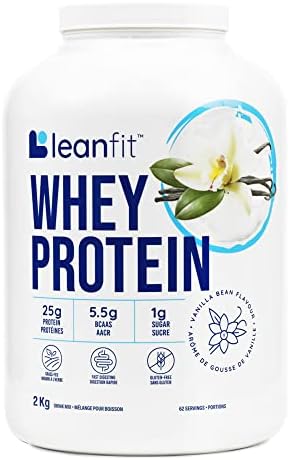
- 100% WHEY VANILLA PROTEIN POWDER: Each serving contains 25g protein, 2g carbs, 130 calories, and only 1g sugar.
- 5.5g BCAAs: As part of a complete amino acid profile that helps to repair and rebuild muscle, support strong bones, and …
- EASY TO DIGEST: Made with high quality, cross-flow microfiltered 100% whey protein and pineapple bromelain, a natural di…
Before You Buy Lactose-Free Protein Powder, You Should Know This
👉 Not every “whey protein” is good for lactose intolerance.
Regular whey concentrate can still contain lactose, which may cause bloating, gas, stomach discomfort, or digestive irritation for sensitive users.
For lactose intolerance, look for protein powders labeled:
✔ whey isolate
✔ hydrolyzed whey isolate
✔ lactose-free
✔ dairy-free
✔ plant-based
✔ vegan protein
Avoid regular whey concentrate if you know dairy causes stomach issues.
If you are only mildly lactose intolerant, whey isolate may work well. If you react badly to most dairy products, plant-based protein is usually the safer choice.
Protein Powder Comparison Table
| Protein Powder | Type | Lactose Level | Protein Per Serving | Best For |
|---|---|---|---|---|
| Dymatize ISO100 | Whey isolate | Very low | 25 g | Fast recovery |
| Isopure Zero Carb | Whey isolate | Lactose free | 25 g | Sensitive digestion |
| Vega Sport Protein | Plant protein | None | 30 g | Dairy free diets |
| LeanFit Whey Isolate | Whey isolate | Low | 25 g | Everyday use |
Whey isolate and plant-based proteins are often the best options for lactose intolerance.
Best Protein Powder for Lactose Intolerance by Goal
| Goal | Best Pick | Why |
|---|---|---|
| Best overall | Dymatize ISO100 | Fast-digesting hydrolyzed whey isolate |
| Best lactose-free whey | Isopure Zero Carb | Lactose-free, high-protein, low-carb formula |
| Best dairy-free option | Vega Sport Premium Plant Protein | No lactose and no dairy |
| Best everyday option | LeanFit Whey Isolate | Simple whey isolate for daily use |
| Best for sensitive stomachs | Vega Sport or Isopure | Better options for avoiding lactose issues |
| Best for post-workout recovery | Dymatize ISO100 | Fast digestion and high protein |
This helps you choose based on your stomach sensitivity, diet style, and training goal instead of only looking at protein grams.
Ingredient Explanation: Whey Protein Isolate
Whey protein isolate is a highly filtered form of whey protein.
The filtration process removes most fats, carbohydrates, and nearly all lactose.
This results in:
✔ higher protein concentration
✔ faster digestion
✔ lower lactose content
Because of this, whey isolate is often easier to digest than whey concentrate.
Why Whey Concentrate Can Cause Bloating
Whey concentrate is usually cheaper than whey isolate, but it often contains more lactose, carbs, and fats.
For people with lactose intolerance, this can lead to:
❌ bloating
❌ gas
❌ stomach cramps
❌ digestive discomfort
❌ bathroom urgency
That does not mean all whey protein is bad. It means the type of whey matters.
If regular whey protein bothers your stomach, switch to whey isolate, hydrolyzed whey isolate, or a plant-based protein powder.
Ingredient Explanation: Plant-Based Protein
Plant protein powders are completely dairy-free and contain no lactose.
Common plant protein sources include:
- pea protein
- brown rice protein
- pumpkin seed protein
These proteins provide essential amino acids that support muscle growth and recovery.
Benefits of Lactose-Friendly Protein Powders
Reduced Digestive Discomfort
Low-lactose or lactose-free protein powders help reduce symptoms such as bloating and stomach irritation.
Better Protein Absorption
When digestion improves, the body can absorb amino acids more efficiently.
Suitable for Dairy Sensitivity
Plant-based protein powders are ideal for people avoiding dairy entirely.
How to Choose Protein Powder for Lactose Intolerance
Look for products labeled:
✔ whey isolate
✔ hydrolyzed whey protein
✔ lactose-free protein
✔ plant-based protein
Avoid whey protein concentrate if you are highly lactose sensitive.
Both whey isolate and plant protein can work for lactose intolerance, but they are not the same.
| Type | Lactose Level | Best For |
|---|---|---|
| Whey concentrate | Higher | People without lactose issues |
| Whey isolate | Very low | Mild lactose intolerance |
| Hydrolyzed whey isolate | Very low | Fast digestion and post-workout recovery |
| Plant protein | None | Dairy-free diets and severe lactose intolerance |
If you only get mild bloating from dairy, whey isolate may be enough. If dairy consistently causes stomach issues, plant-based protein is usually the better choice.
Real Experience & Trust Signals (E-E-A-T)
The Fit Supply team has reviewed dozens of protein powders and analyzed sports nutrition research.
Across multiple studies and athlete feedback, adequate protein intake consistently supports:
- muscle protein synthesis
- workout recovery
- lean muscle growth
Choosing the right protein powder is especially important for individuals with digestive sensitivities.
Buying Checklist for Lactose-Friendly Protein Powder
Before buying a protein powder for lactose intolerance, check this list:
✔ Is it whey isolate, hydrolyzed isolate, or plant-based?
✔ Does the label say lactose-free or low-lactose?
✔ Does it avoid whey concentrate?
✔ Does it have at least 20–25 g protein per serving?
✔ Does it fit your diet, dairy tolerance, and budget?
✔ Is it easy to mix and digest?
✔ Does it match your goal: muscle gain, cutting, or daily protein?
A good lactose-friendly protein powder should help you hit your protein goal without making your stomach feel worse.
FAQ: Protein Powder Lactose Intolerance
What protein powder is best for lactose intolerance?
The best protein powder for lactose intolerance is usually whey isolate, hydrolyzed whey isolate, or plant-based protein. Whey isolate is best for people with mild lactose intolerance, while plant-based protein is usually better for people who need to avoid dairy completely.
Is whey protein isolate lactose-free?
Some whey isolate products are labeled lactose-free, while others are very low in lactose. Always check the label. If you are highly sensitive to lactose, choose a product clearly labeled lactose-free or use a plant-based protein.
Can lactose-intolerant people drink protein shakes?
Yes, lactose-intolerant people can drink protein shakes if they choose the right type. Whey isolate, lactose-free whey, and plant-based protein powders are usually better choices than regular whey concentrate.
Why does whey protein make me bloated?
Whey protein may cause bloating if it contains lactose, uses whey concentrate, has sugar alcohols, or includes ingredients your stomach does not tolerate well. Switching to whey isolate or plant protein can help.
Is plant protein better than whey isolate for lactose intolerance?
Plant protein is better if you want to avoid dairy completely. Whey isolate may be better if you tolerate small amounts of dairy and want a smoother taste, faster digestion, and a complete whey protein source.
What protein powder should I avoid if I am lactose intolerant?
Avoid regular whey concentrate if you are lactose intolerant. It usually contains more lactose than whey isolate and is more likely to cause bloating or digestive discomfort.
Is lactose-free protein powder good for muscle gain?
Yes, lactose-free protein powder can support muscle gain as long as you get enough total protein each day. Muscle growth depends more on total protein intake, training, calories, and recovery than whether the protein comes from whey isolate or plant sources.
Can lactose-intolerant people take whey protein?
Many people with lactose intolerance can tolerate whey isolate, which contains very little lactose.
What protein powder has no lactose?
Plant-based protein powders and certain whey isolate products are completely lactose-free.
Is whey isolate better than whey concentrate for lactose intolerance?
Yes. Whey isolate contains significantly less lactose.
Related Guides
You may also want to read:
- Whey Protein vs Isolate
- Protein Powder No Artificial Sweeteners
- Best Protein Powder for Muscle Gain
- How Much Protein to Build Muscle
Final Verdict
The best protein powder for lactose intolerance depends on how sensitive you are to dairy.
Choose Dymatize ISO100 if you want a fast-digesting whey isolate for post-workout recovery.
Choose Isopure Zero Carb if you want a lactose-free whey isolate with a clean, low-carb formula.
Choose Vega Sport Premium Plant Protein if you want a completely dairy-free option.
Choose LeanFit Whey Isolate if you want a simple everyday whey isolate option that is easier to digest than regular whey concentrate.
If regular whey makes you bloated, do not force it. Start with whey isolate, and if that still bothers your stomach, switch to plant-based protein.